Healthcare
High-stress clinical environments requiring flexible, low-barrier wellness access
Educational principles that create meaningful, lasting change in workplace wellness culture across Australian organisations.
Every programme we create follows a consistent framework that prioritises practical implementation, employee autonomy, and sustainable behaviour integration.
Rather than prescriptive approaches, we focus on providing information and support that respects your team's intelligence and diverse circumstances.
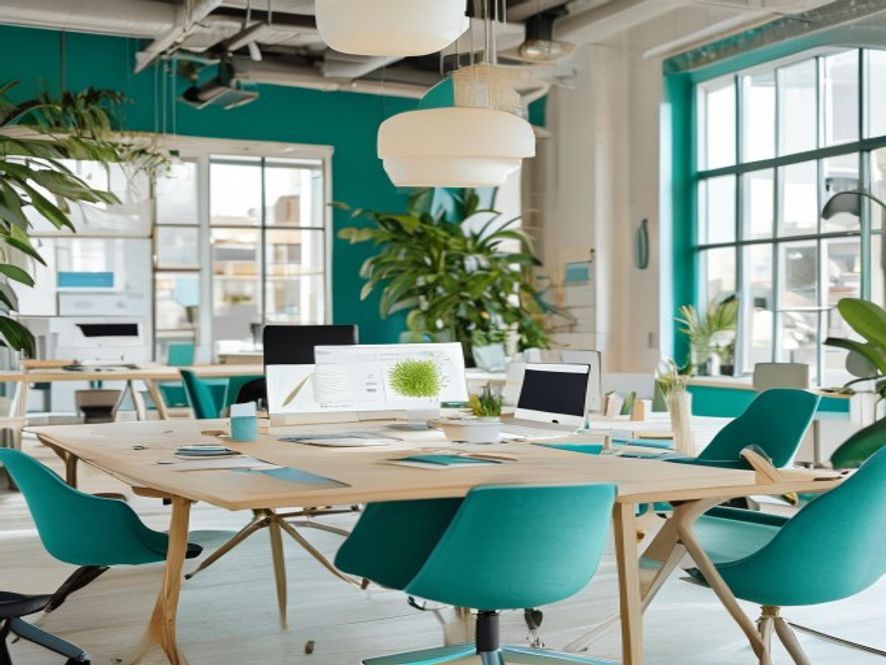
We begin by thoroughly understanding your specific workplace environment, employee demographics, existing practices, and organisational goals. No two workplaces are identical, and programmes must reflect that reality.
Every recommendation must work within real operational constraints. We design for actual office layouts, team dynamics, varying abilities, and resource availability—not theoretical ideal environments.
Sustainable change comes from informed choice, not mandates. Programmes empower employees to adapt recommendations to their circumstances, build habits that feel authentic, and take ownership of their engagement.
Programmes evolve based on participant feedback and engagement data. We regularly assess what's working, gather input, and adjust approaches to maintain relevance and effectiveness over time.
| Engagement Metric | What We Measure | Why It Matters |
|---|---|---|
| Participation Rates | Percentage of invited employees who engage with programme components | Indicates accessibility and appeal of content to diverse team members |
| Attendance Consistency | Week-to-week or session-to-session engagement patterns | Shows whether habits are embedding into routine versus being one-off events |
| Feedback Quality | Qualitative insights from employee surveys and check-ins | Reveals what's resonating, what needs adjustment, and unexpected benefits |
| Adaptation & Customisation | How employees modify recommendations for personal circumstances | Demonstrates informed decision-making and sustainable habit-building |
| Referral & Advocacy | Whether participants recommend to colleagues and advocate for continuation | Reflects genuine value perception rather than mandated compliance |
All metrics are educational and informational. We do not measure or claim health outcomes, which require qualified healthcare professionals.

Our programmes are developed by practitioners with backgrounds in adult education, workplace culture, and evidence-informed approaches to behaviour change. All content is grounded in principles from educational psychology and organisational development.
We maintain clear boundaries between educational information and medical/clinical advice. Content is regularly reviewed for accuracy, relevance, and accessibility.
Discuss Our ApproachSpecialised programme design across diverse sectors
High-stress clinical environments requiring flexible, low-barrier wellness access
Desk-based teams with demanding schedules needing sustainable break-time strategies
Remote and distributed teams with unique challenges around presence and connection
Shift-based and high-physical environments requiring practical, inclusive approaches
Teacher and staff wellbeing programmes addressing unique workplace stressors
Customer-facing roles with specific movement and recovery needs
Inclusivity is embedded throughout design. We provide multiple format options for every activity, encourage modifications based on individual ability, and actively seek feedback from diverse team members to catch barriers we might miss.
Our programmes respect autonomy. Non-participation is always an option. We've found that optional framing with clear information about benefits actually increases genuine engagement compared to mandated approaches.
Behaviour change research suggests sustained effort over 8-16 weeks helps new routines become established. That's why our programmes include ongoing support and regular touchpoints rather than one-off interventions.
Absolutely. Hybrid and remote work create unique challenges and opportunities. We design programmes that work across physical and digital spaces, with asynchronous options alongside live sessions.
Let's explore how our design approach can work for your organisation.
Start a Conversation